
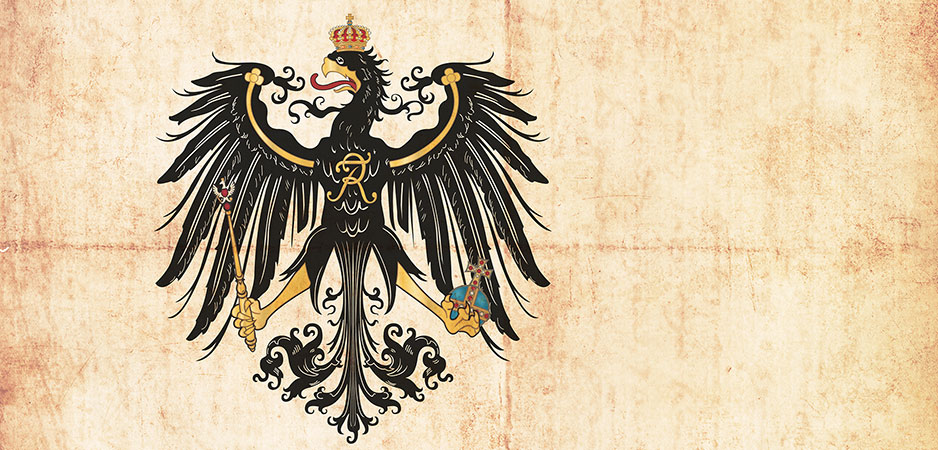
It is often noted that 19th-century nationalism owed much to the rise of academic history. As historians have observed, studies in national development provided materials for later and cruder claims of fascist cultural supremacy. For instance, Leopold von Ranke and Georg Hegel represented different versions of such narratives. The former traced a conceptual movement in large patterns of events; its ideological consequences were various, but one aspect was the justification of the Prussian state. The latter urged rigorous attention to historical evidence but suggested that in such detail a pattern of providence could be found.
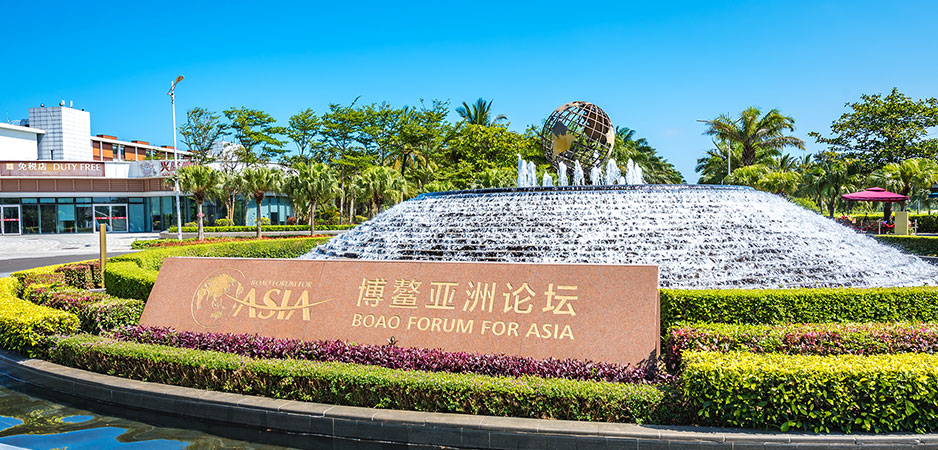
A significant event took place this week at the annual Boao conference, China’s version of the Davos World Economic Forum. It offered clues about the state of a changing world. Obsessed by the Chauvin trial, US media paid little attention to it. The Washington Post lazily printed a 400-word glibly superficial AP article emphasizing China’s military buildup and protectionist policies. The usually prolix New York Times featured fewer than 350 words on the event, just to make sure its readers wouldn’t waste too much time thinking about its possible significance. In contrast, a Times article a day earlier on China’s predictable, extravagant propaganda campaign to celebrate the centenary of the Chinese Communist Party ran to over 1,200 words.
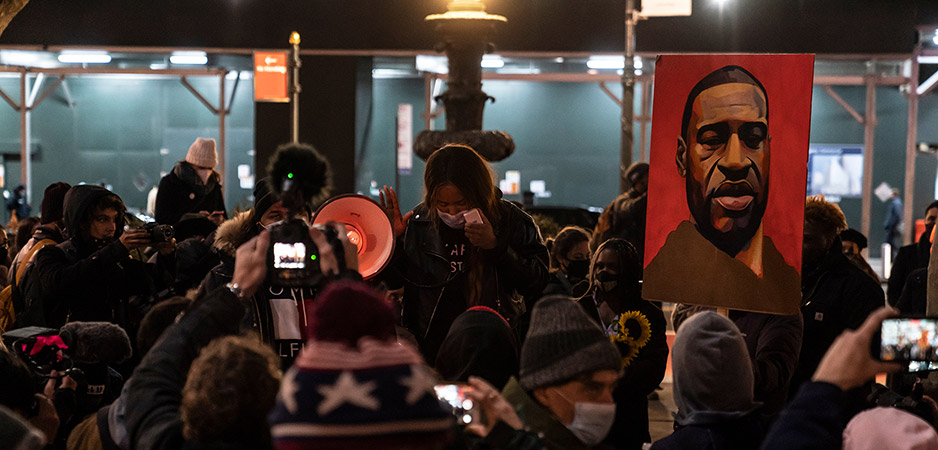
“Justice” and “accountability” are often used interchangeably in public discourse these days, whether in the immediate context of the trial of Derek Chauvin, a former Minneapolis police officer, or in the broader context of racial justice and social justice. It would advance both discussions to distinguish between the two concepts.
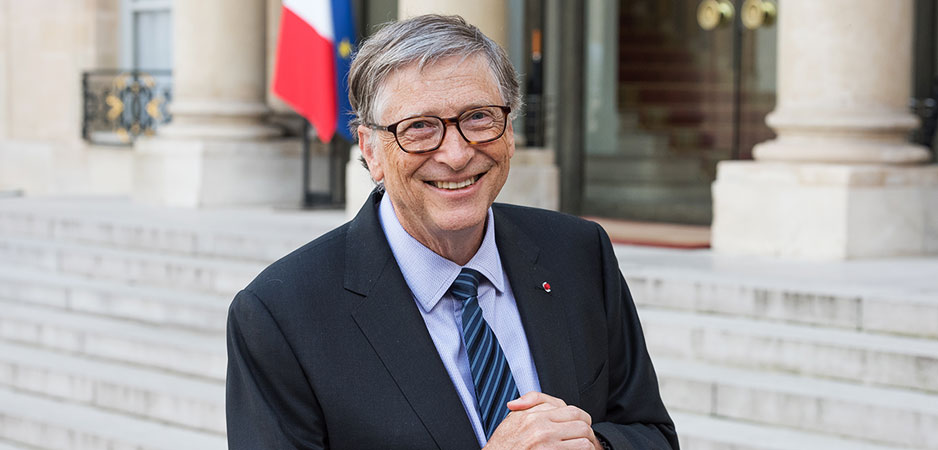
Bill Gates had his first extended moment in history at the end of the 20th century. He regularly appeared as the richest, but also the nerdiest, man on earth. His rarely eclipsed top ranking lasted for at least two decades. Perhaps bored by the idea of holding wealth, he eventually decided to leave the management of Microsoft — the source of his ever-growing fortune — to others as he carved out for himself a different place in history, a far nobler one.
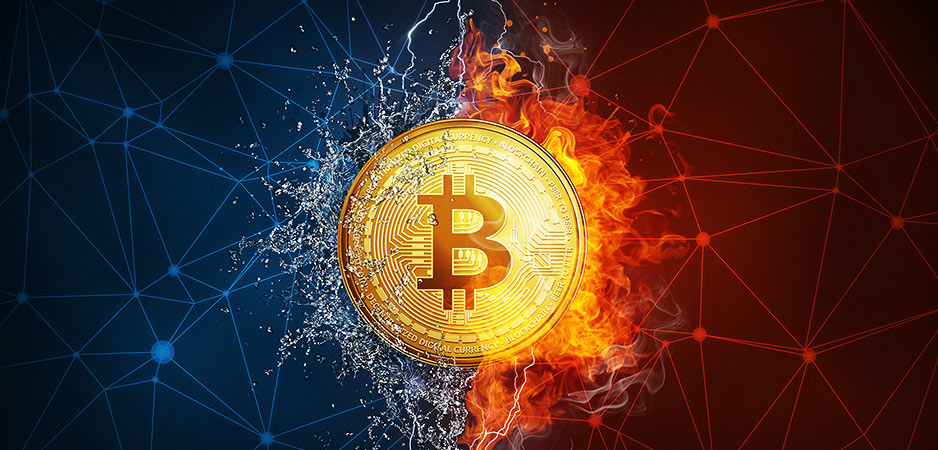
In February, Tesla announced it had purchased $1.5 billion in Bitcoin and would soon accept the cryptocurrency for car purchases. While bolstering Elon Musk’s crypto cred on Twitter, the move has a serious climate impact. Tesla prides itself on being the green car company, made starker after its 2016 acquisition of SolarCity. Yet According to Cambridge University analysis, Bitcoin uses around 120 TWh of energy per year, on par with countries like Norway and Argentina, and is estimated to reach as much at 184 TWh, nearly the same consumption as that of London. That comes out to more than 90 million metric annual tons of CO2. Should progressives be thinking twice about greenhouse gas emissions from Bitcoin? Is Bitcoin going to become the new coal?
The maxim “I may not agree with what you say, but I will defend to the death your right to say it,” often misattributed to Voltaire, sums up one of democracy’s pillars devised back in classical Greece and adapted by modern nation-states. Subsequently, the new era of instantaneous and digital global exchange flourishes under clear yet minimal controls on freedom of expression. However, as speech fora grow and expand, Silicon Valley executives inconsistently regulate online civil discourse, with mixed results. Federal legislation regarding digital expression is dated or inexistent. Simultaneously, social media executives have failed to fill the regulatory gap by applying disparate standards between countries and sociopolitical contexts.
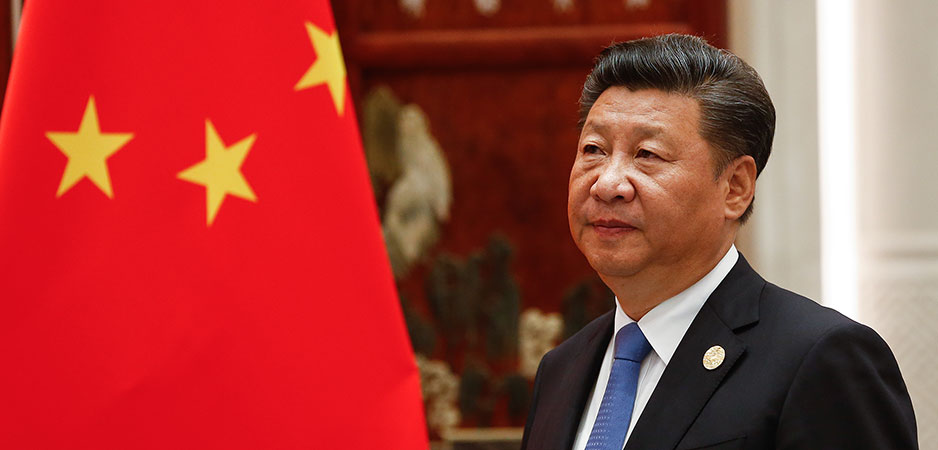
At the all-important two sessions () meetings last month, the Chinese Communist Party (CCP) officials adopted a new and surprisingly unambitious Five-Year Plan, reoriented the country’s technology strategy and redoubled the crackdown on democracy in Hong Kong. All of this was documented in the English-language media. But another crucial CCP announcement flew below the media’s radar. An innocuous-sounding procedural change gave President Xi Jinping the authority to dismiss vice premiers of the State Council of the People’s Republic of China, one of the last potential bastions of elite opposition to his rule. Premier Li Keqiang, nominally the second-most powerful man in China, has now been effectively sidelined. Furthermore, Hu Chunhua, Xi’s charismatic potential successor, can now be fired at will.
The cancelation of British Prime Minister Boris Johnson’s much-awaited visit to India is disappointing but unsurprising. India, a country with nearly 1.4 billion people, is currently confronting a second wave of COVID-19 infections. Though all is not lost as bilateral talks are expected to take place virtually on April 26. High on the agenda remains the launch of Roadmap 2030, which will foreseeably set the tone for India-UK relations in a post-COVID era and pave the way for a free trade agreement.
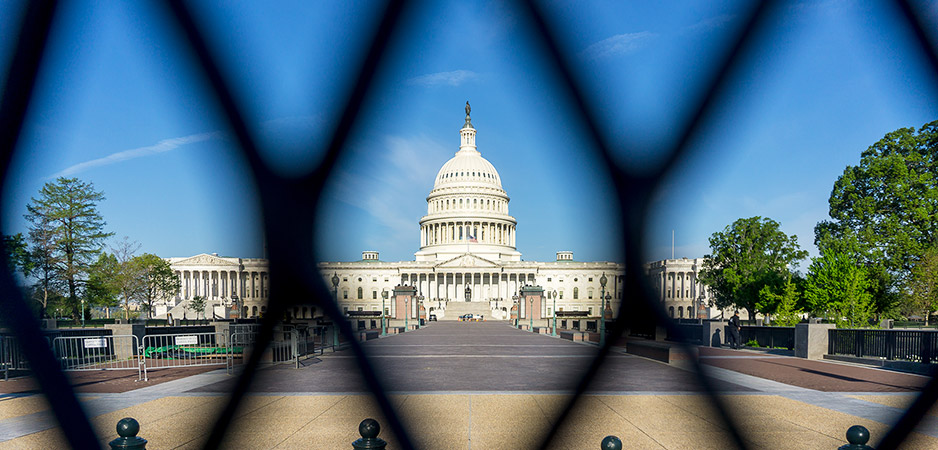
After over 50 years in the US as an immigrant from the UK, of which 40 have been spent in Washington, DC, I thought I had seen it all. Clearly, I was wrong. The mob invasion of the Capitol on January 6 was a historic first. Thankfully, it was followed by President Joe Biden’s peaceful inauguration on January 20. Democrats went on to achieve a majority in both houses of the US Congress. With the change in the political wind, America has a unique opportunity to borrow from three previous truth and reconciliation commissions (TRCs) to bring harmony where there is discord.
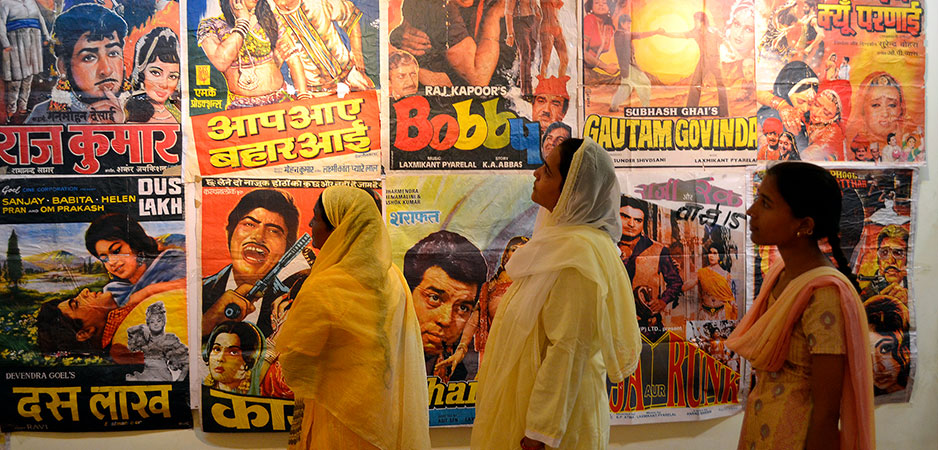
In 2019, India produced over 1,800 movies, making it the world’s largest film industry in terms of numbers; this dwarfs the 792 produced in both the US and Canada combined. Bollywood, as Mumbai’s movie industry is known, distributes its films around the world and is particularly popular in South Asia, the Middle East, Africa, the US and Europe.