
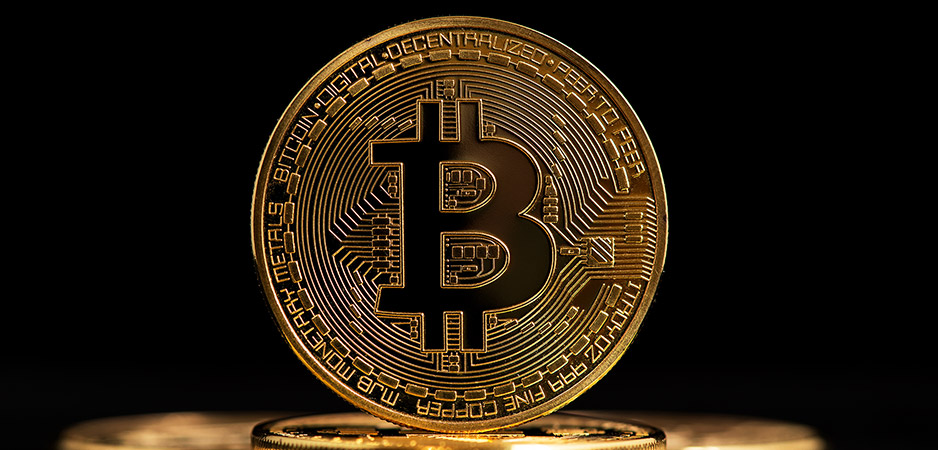
Silicon Valley billionaire Peter Thiel finds himself in a confusing moral quandary as he struggles to weigh the merits of his nerdish belief in cryptocurrency against his patriotic paranoia focused on China’s economic rivalry with the United States. Participating in “a virtual event held for members of the Richard Nixon Foundation,” Thiel, while reaffirming his position as a “pro-Bitcoin maximalist,” felt compelled to call his faith into doubt due to his concern that China may use bitcoin to challenge US financial supremacy.
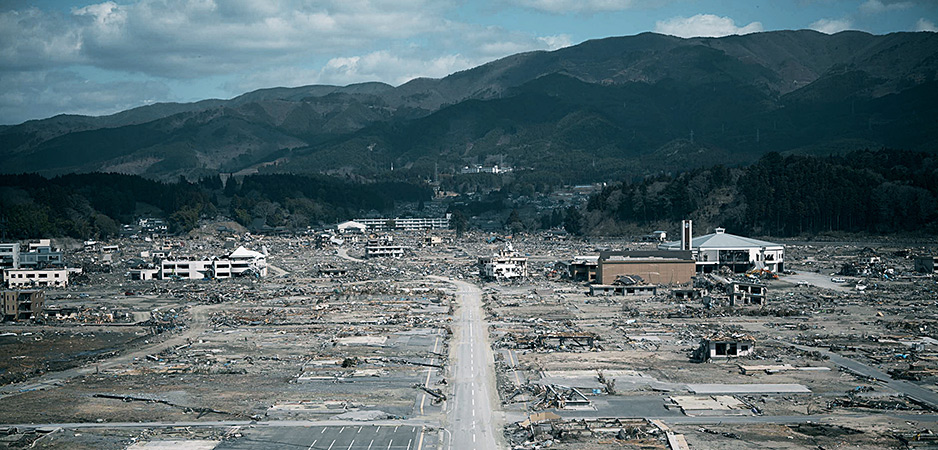
What choices are available to a nation that, in its quest for modernization, foolishly built a nuclear reactor in a seismically active tsunami zone? The Royal Society reported in 2015 that the disastrous fate of Fukushima in 2011 resulted from a “cascade of engineering and regulatory failures.” This included not only multiple design errors and miscalculations of the geological risks, but also “methodological mistakes that nobody experienced in tsunami engineering should have made.” The report concluded that the “Fukushima accident was preventable, if international best practices and standards had been followed.”
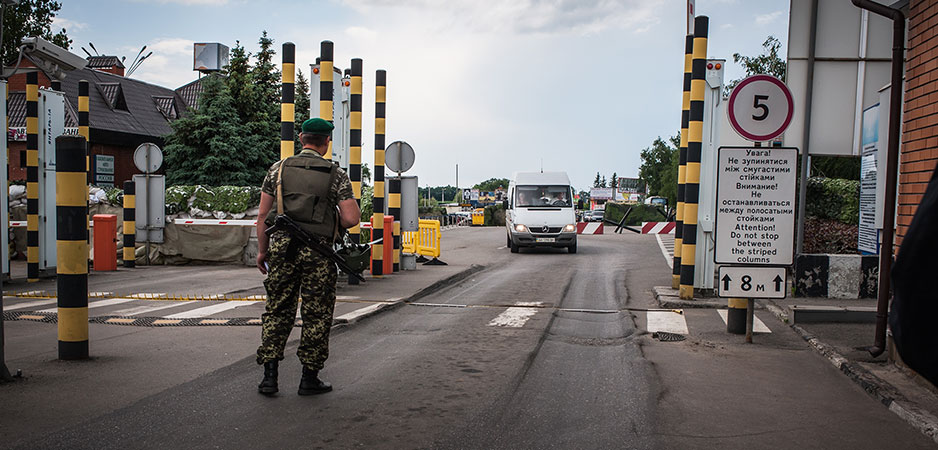
Hostilities between Ukraine and Russia reached an alarming level last week when further Russian troops were deployed on the Ukrainian border. Despite a statement from the Kremlin describing the act as “not threatening,” Kyiv accused Moscow of moving thousands of soldiers to its northern and eastern borders and on the Russian-annexed Crimean Peninsula to create an intimidating atmosphere in violation of the Minsk agreements and the ceasefire in the Donbass region of eastern Ukraine. The Russian Foreign Ministry claimed it is Kyiv and NATO countries that are increasing their armed forces in Ukraine and the Black Sea close to Russia’s borders.
When the loony right gathered at the Conservative Political Action Conference back in February, the theme of the Trump-heavy gathering was “America Uncanceled.” Speaker after speaker railed against “political correctness” in American culture, from “woke mobs” to “censorship” in the mainstream news media. Incredibly, they tried to transform so-called cancel culture into the single greatest problem facing a United States still reeling from COVID-19 and its economic sucker punch. And yet, time and again, it has been the loony right that has been so eager to hit the delete button.

Sudan has been at the center of the diverging interests of wealthy Gulf states for many years. Having been close allies of former Sudanese President Omar al-Bashir, Saudi Arabia, the United Arab Emirates and Qatar had longstanding business, military and political interests in the country prior to the Gulf crisis in 2017. In June of that year, Saudi Arabia, the UAE, Bahrain and Egypt — known as the Arab quartet — cut diplomatic and trade relations with Qatar.

The risk that we will wake up on May 1 to find we have a no-deal Brexit after all has not disappeared. The deadline for the ratification by the European Parliament of the trade deal between the European Union and the United Kingdom was due to be February 28. But Parliament postponed the deadline to April 30. It did this because it felt it could not trust the UK to implement the Trade and Cooperation Agreement (TCA) — as the deal is formally known as — properly and as agreed and ratified.
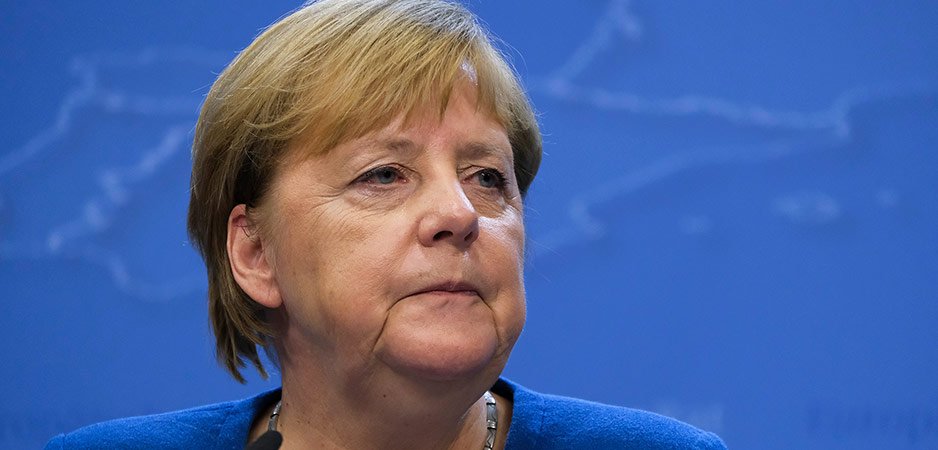
In 2015, the European refugee crisis awoke Germans from a long and comforting slumber that Angela Merkel had lulled them into with her political style. The term “asymmetric demobilization” came to be known as a way of describing the German chancellor’s shrewd strategy of sitting on the fence and thereby winning elections. Merkel weakened her political competitors by avoiding controversial issues and, in doing so, choking off debate. Simultaneously, she adopted popular policy stances of her opponents and demobilized their potential voters.

In a fascinating interview with The Guardian’s Andrew Anthony, media-friendly physicist Michio Kaku reveals more than he may have intended about both science and politics when he explains how political funding of the science of fundamental research takes place today. The champion of string theory complains about the difficulty scientists have as they set out to solve the biggest theoretical questions about the origin and structure of the universe due to the incomprehension of prominent politicians. He describes the fate of a plan 30 years ago to build an installation even “bigger than the Large Hadron Collider,” currently the world’s most powerful particle accelerator, which the European Organization for Nuclear Research (CERN) launched in 2008.

The far right have a habit of co-opting symbols and visual iconography originally used by other movements, oftentimes those holding opposing ideologies. For example, during the rally-turned-siege in Washington on January 6, protesters chanted, “Whose house? Our house!” This was a likely nod to, “Whose streets? Our streets!” shouted by attendees of the 2017 Unite the Right rally in Charlottesville, Virginia.

Turkish President Recep Tayyip Erdogan issued a decree in the early hours of March 20 withdrawing Turkey from the Council of Europe treaty — dubbed the Istanbul Convention — on preventing and combating violence against women and domestic violence. The convention sets comprehensive standards for protecting women against all forms of violence.