
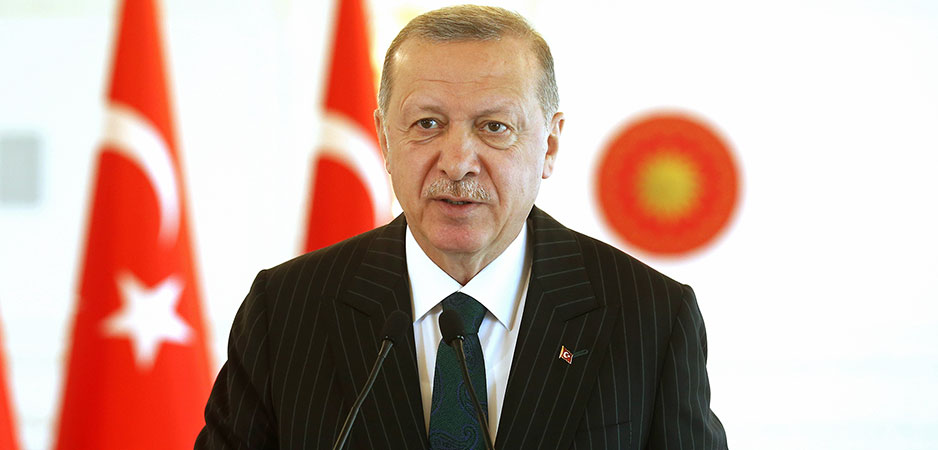
A few years ago, the very notion of Turkish foreign military interventions would have seemed extraordinary. The Turkish republic has been, for most of its history, determinedly introspective. Until the 20th century, it was largely disengaged from its immediate neighborhood, favoring ties with the West. Great power architecture tends to subdue regional tensions. Whether it’s unilateral US power or bilateral umbrella organizations like the European Union or NATO, a deterrent to regional conflict has been present.

Almost one year into the COVID-19 pandemic , in mid-January, circumstances forced me to take a trip to Chennai, India, from my home in the Bay Area, California. I was apprehensive about traveling abroad during the pandemic. I suspected the rapid spread of the coronavirus globally had to do with international travel, a viewpoint that has been corroborated by a study conducted by researchers at the University of Aberdeen in Scotland.
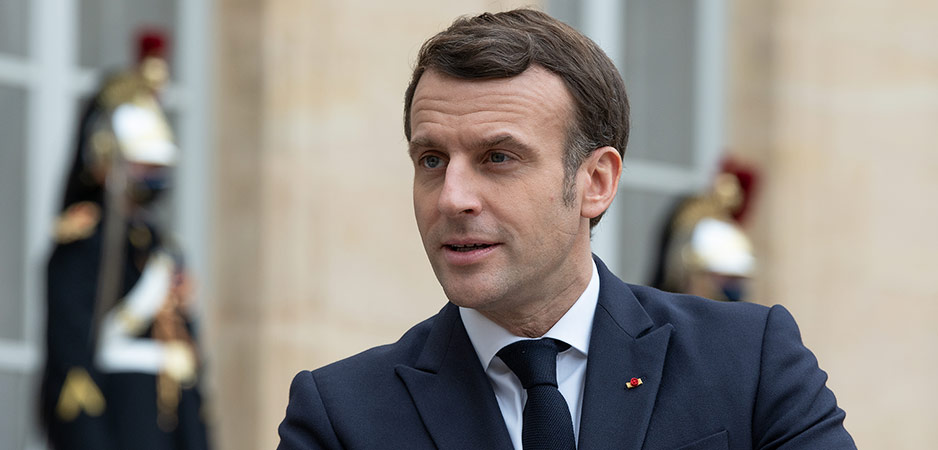
One of the worst humanitarian disasters of the past 30 years took place in 1994 in Rwanda. Approximately 800,000 people died in a genocidal campaign led by the Hutu majority against the Tutsi minority. The rampage began after Hutu President Juvenal Habyarimana’s plane was shot down. The Hutus immediately blamed the Tutsis and initiated a “well-organized campaign of slaughter” that lasted several months. A new French report on the Rwandan genocide has revealed some uglier truths about the role played by Western powers — particularly France.
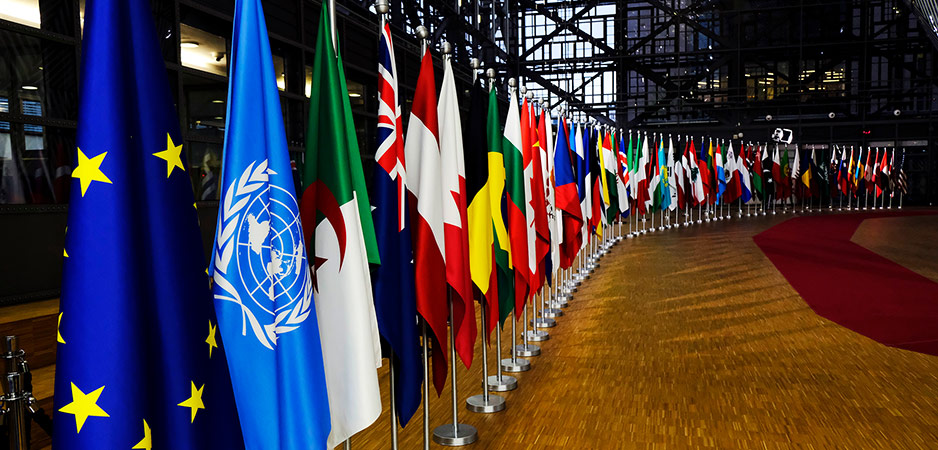
A few weeks ago, six eminent world leaders — including UN Secretary-General Antonio Guterres, European Commission President Ursula von der Leyen and German Chancellor Angela Merkel — called for the revitalization of multilateral cooperation. They reminded us of the UN Millennium Declaration, which was signed by 189 countries in 2000. The declaration expressed the confidence of the international community that multilateral policies could defeat global challenges such as “hunger and extreme poverty, environmental degradation, diseases, economic shocks, and the prevention of conflicts.”

On March 18, the world was treated to the spectacle of US Secretary of State Antony Blinken sternly lecturing senior Chinese officials about the need for China to respect a “rules-based order.” The alternative, Blinken warned, is a world in which might makes right, and “that would be a far more violent and unstable world for all of us.”
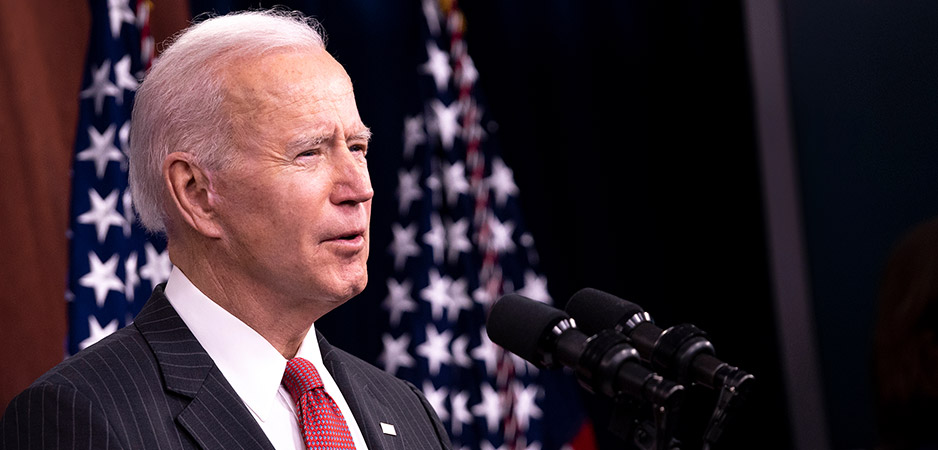
In his first foreign policy speech as president, delivered at the State Department on February 4, 2021, Joe Biden laid out his vision of America’s engagement with the world. In its conventional combination of the stick of military power and the carrot of diplomacy, Biden’s address heralded a return to the foreign policy status quo of the “a la carte multilateralism” that has characterized the US global approach since the end of the Cold War.

After stepping down as Microsoft CEO in 2000, Bill Gates gradually shifted his focus to the operations of the Bill & Melinda Gates Foundation, which set out to improve global health and development, as well as education in the US. Partially through his role with the foundation, Gates came to learn more about the causes and effects of climate change, which was contributing to and exacerbating many of the problems he and his wife were looking to remedy.

“The Elizabeth Taylor who’s famous, the one on film, really has no depth or meaning to me,” the Hollywood icon told Life magazine’s Richard Meryman in 1964. “She’s a totally superficial working thing, a commodity. I really don’t know what the ingredients of the image are exactly — just that it makes money.” At the time, Taylor was married to actor Richard Burton. Their romance was already a succès de scandale and would grow in into an epic of Homeric proportions, as would Taylor’s entire life.

Past the glow of the Shanghai evening, a single red beam threads its way into the silent stratosphere. It is a laser originating from a laboratory whose machinery few can operate or explain. The laser is meant to bounce off a distant satellite before returning for the purpose of encrypting an otherwise earthly conversation in a manner as secure as it (once) was impossible.

In November 2020, the Friedrich Ebert Foundation published an article by Paul Nemitz and Matthias Pfeffer on the threat to digital sovereignty in Europe. They called attention to the need in Europe for “decentralised digital technologies” to combat a trend they see as essential for preserving “a flourishing medium-sized business sector, growing tax revenues, rising prosperity, a functioning democracy and rule of law.”