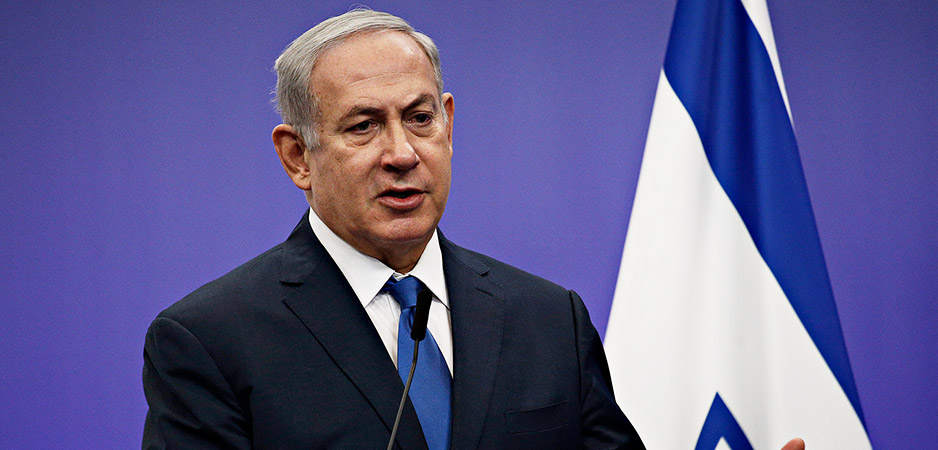
In March, Israeli Prime Minister Netanyahu was unable to achieve a parliamentary majority in the Knesset after a fourth Israeli election in two years. As a result, he needed a national crisis to prevent the establishment of an alternative government by the opposition. Such a coalition would include right, centrist and left-wing parties, presenting a threat to Netanyahu’s premiership.
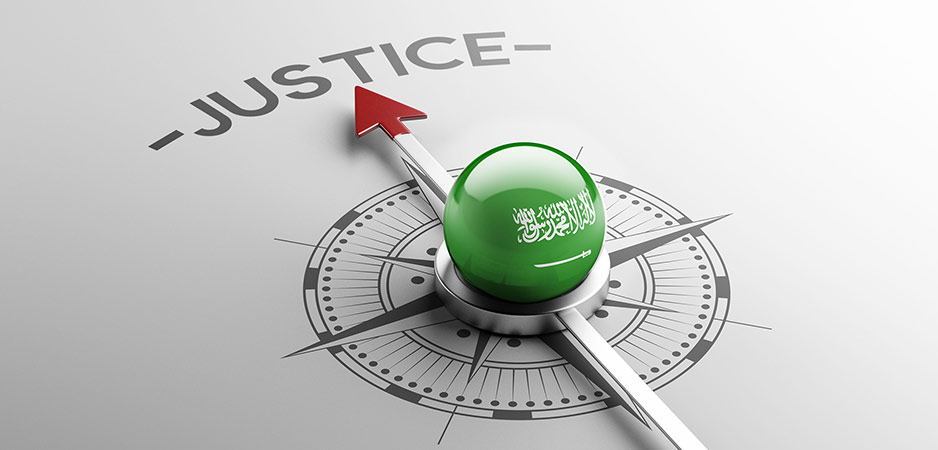
In February, Mohammed bin Salman announced an overhaul of the Saudi judicial system with plans to bring in four new laws: the personal status law, the civil transactions law, the penal code of discretionary sanctions and the law of evidence. The crown prince was quoted as saying that “The new laws represent a new wave of reforms that will … increase the reliability of procedures and oversight mechanisms as cornerstones in achieving the principles of justice, clarifying the lines of accountability.”
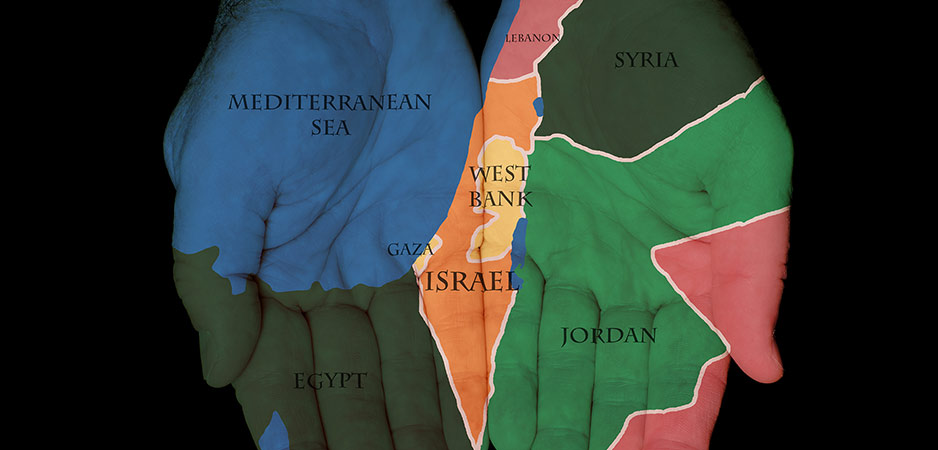
Faced with a serious clash in Jerusalem between two communities divided on the subject of religion, the Roman Empire’s man of the hour, its colonial governor Pontius Pilate made the bold decision to suppress his own opinion and not to intervene in the debate. As a patriotic polytheist, he had no time to waste on disputes concerning monotheistic truth. Instead, he washed his hands before the raging mob. He let those who held local power and who shouted the loudest have their way. His action, dating from two thousand years ago, eventually spawned the proverbial expression, “To wash your hands of the affair.”

The problem with the COVID-19 pandemic is that we don’t know if we’re coming or going. It’s as if we’re swimming far from shore, overwhelmed by one wave after another, and we’re unsure if we’re heading toward land or away from it.
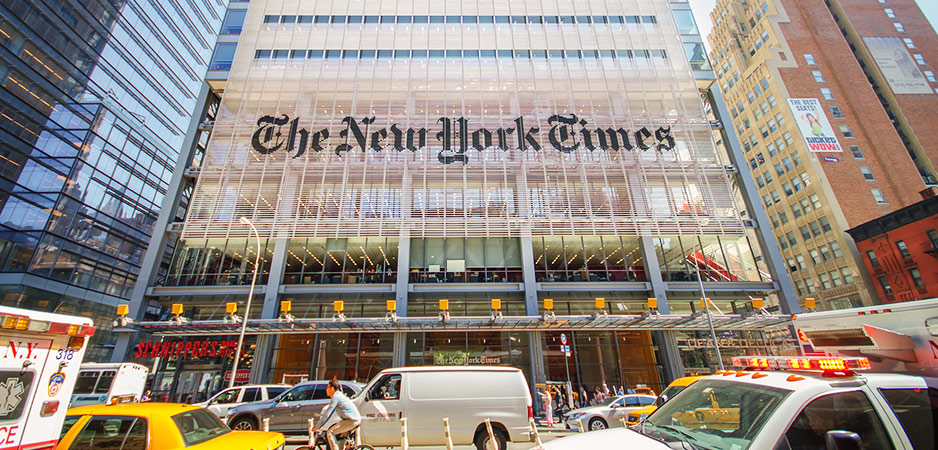
The New York Times editorial board cannot be accused of a failure of will, a lack of consistency or the cardinal political sin of flip-flopping. Many of The Times critics supposed that, over the past five years, the newspaper’s obsession with any random complaint against Russia — cast in the role of America’s archenemy — could simply be explained by the editorial board’s visceral hatred of President Donald Trump. Knowing their readers were 91% Democrat, they willingly fed their audience’s wish to view Trump as Vladimir Putin’s closest collaborator.
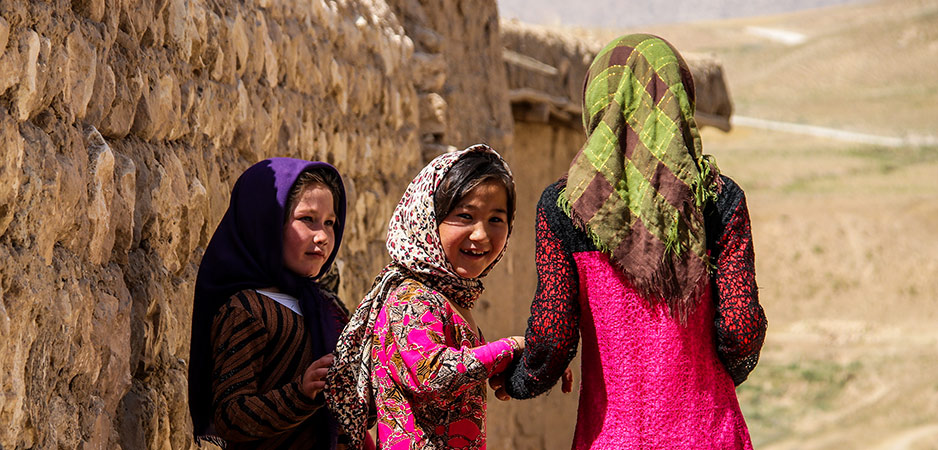
On the evening of May 8, a car bomb exploded in front of a high school in a majority Hazara neighborhood of west Kabul, Afghanistan. The blast killed more than 85 civilians and injured at least 150 others, almost all of them schoolgirls aged between 13 and 18. Images shared on social media showed bloodied backpacks, crushed shoes and torn notebooks strewn beside the burning carcass of the vehicle used in the attack.

Great expectations are placed on hydrogen as an energy carrier. In the future, the climate-neutral molecule will replace fossil fuels in applications where direct electrification is impossible or too expensive. This enables effective climate protection in energy-intensive industries, heavy transport, aviation and shipping. At the same time, industrial policy and geopolitical opportunities arise.
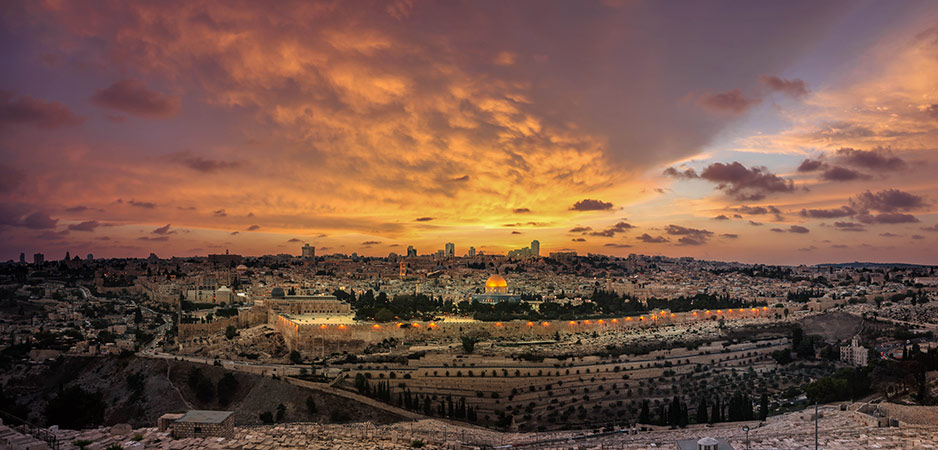
No city in the world has seized the imagination or captivated the soul in the way that Jerusalem has. Revered by more than half the world’s population, Jerusalem is the beating heart of Judaism, Christianity and Islam. It is a city widely held to have been inhabited by the Jebusites, long before the coming of Abraham to whose descendants the land of Canaan is believed by some to have been divinely promised. However, such a claim, irrespective of its authenticity, does not and cannot be used to justify occupation, injustice and the undermining of the fundamental rights of peoples to live in their homelands in both peace and security.
At an earlier stage of my life, I had the great pleasure of spending two years teaching at York University in Toronto, Canada. Unlike the University of Toronto, whose campus looks like Harvard or Yale, York resembles British public universities such as Sussex: modern, functional, but without what in French is called “cachet.” York University also happened to be one of the last genuinely left-wing schools in the Western world, at least in the social sciences. I had colleagues who had actually read Karl Marx — and took him seriously.
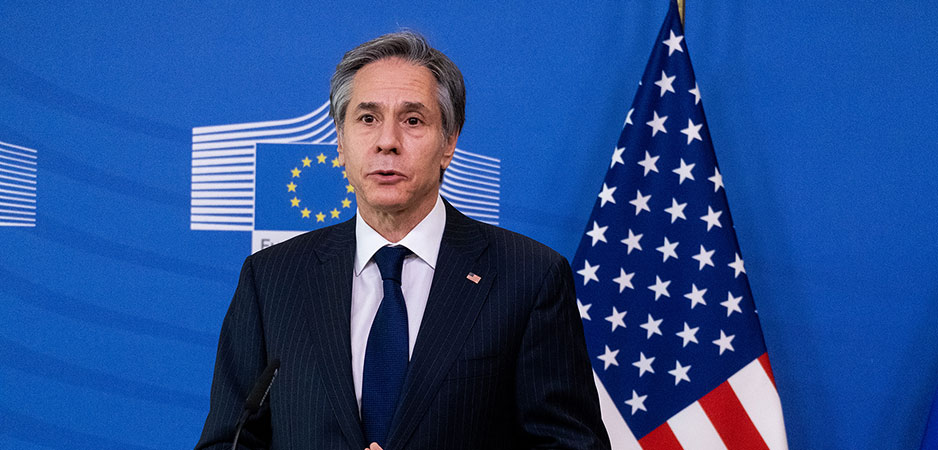
Just as President Joe Biden’s administration waited till the very last minute to define its position of vaccine patent waivers, imperiling the effective impact on a pandemic of whatever agreement is finally reached, it has played for time with the Iran nuclear deal, the Joint Comprehensive Plan of Action (JCPOA). This may prove costly because of Iran’s tight electoral calendar. The failure to act quickly with the current negotiation-minded regime in Tehran, which insists on returning to the accord from which Donald Trump withdrew, risks reinforcing the Iranian hardliners in the country’s June 18 election.